The short answer: protect people first, then protect evidence
If you think someone may still be inside, do not go in. Move to a safe place and call 911.
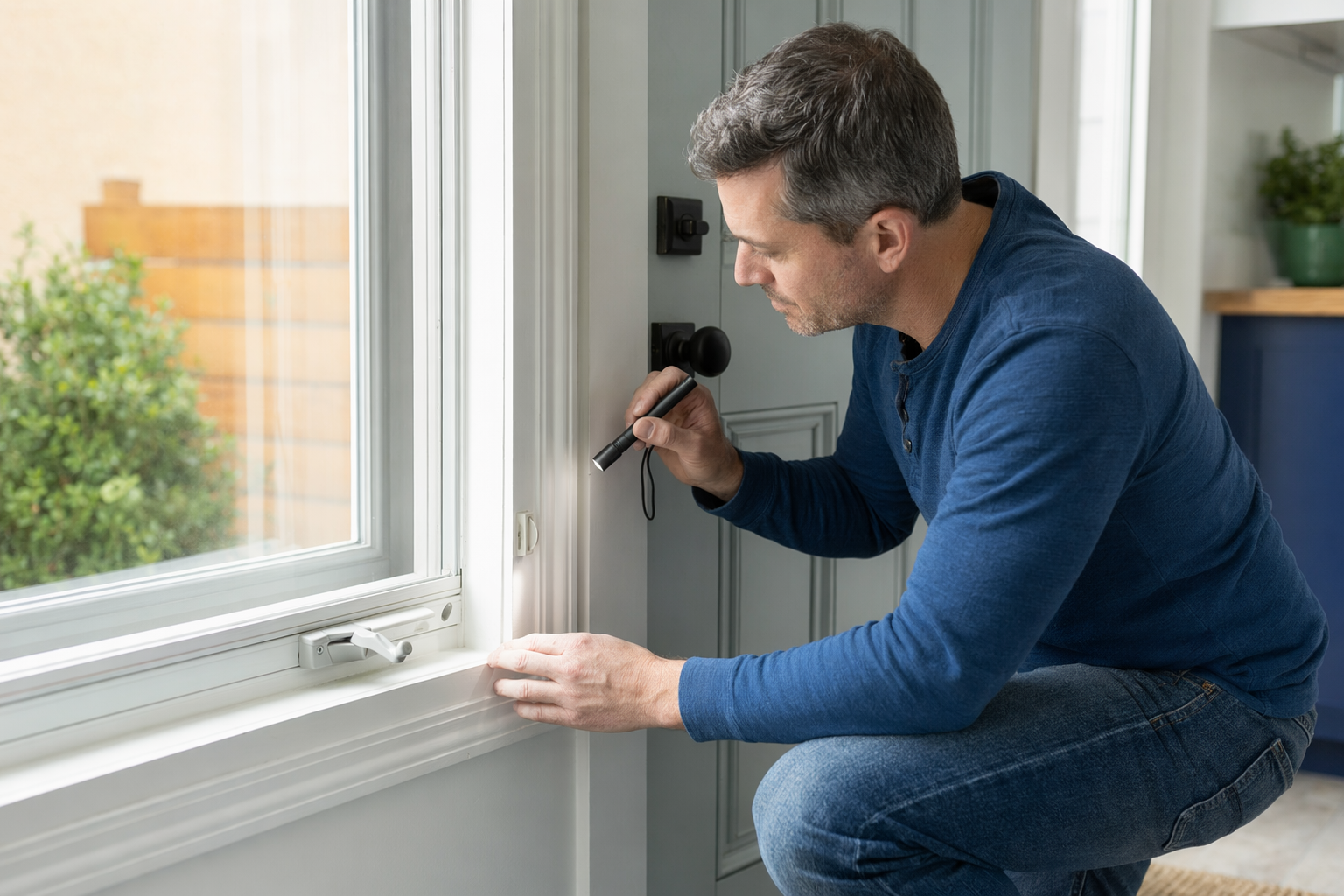
If the scene appears clear, go in carefully only if law enforcement says it is safe. Try not to touch doors, windows, tools, drawers, or anything the intruder may have handled. Photos and fingerprints can matter.
Your first priorities are simple:
- Make sure everyone is safe. Check family, employees, pets, and anyone else on site.
- Call law enforcement. Ask for a report number and the responding officer's name if available.
- Preserve the scene. Do not start cleaning or fixing damage right away unless there is an urgent safety issue.
- Document what you see. Take photos and video of entry points, damage, disturbed rooms, and missing items.
- Secure the property the same day. Board a broken window, replace or rekey locks if needed, and close obvious gaps.
A break-in does not mean any future system can promise safety. No alarm, camera, monitoring plan, smart lock, or guard service can guarantee prevention of crime, loss, injury, or property damage. But better layers can help you reduce risk and respond faster next time.
What to do in the first 24 hours

The first day is about facts, not guesses.
- Write down a timeline. When was the property last secure? Who discovered the break-in? What was seen first?
- List missing items. Include serial numbers, model numbers, receipts, photos, or app records if you have them.
- Check for digital exposure. If a laptop, phone, tablet, checkbook, mailbox key, access fob, spare key, or file cabinet was taken, change passwords and review accounts.
- Pause before throwing things away. Damaged locks, tools left behind, and broken parts may matter to police or insurance.
- Tell key people. Landlord, property manager, business partners, employees, or neighbors may need to know.
For a small business, do a quick operations check:
- Can staff enter safely?
- Was cash, inventory, or customer equipment taken?
- Were back-office files, keys, or access cards exposed?
- Do any doors fail to lock now?
- Should you temporarily limit entry to one door until repairs are done?
For a home, think about privacy as well as theft. If bedroom drawers, office files, spare keys, IDs, mail, or garage remotes were disturbed, treat that as a wider security issue, not just a broken window.
If you need temporary or permanent upgrades, start by comparing options for home security systems or business security. Keep notes. You do not need to sign anything on the same day as the break-in.
Insurance, repairs, and cleanup without making a mess of the claim
If you plan to file an insurance claim, call your insurer soon and ask what they need. Keep your expectations realistic. Coverage depends on your policy, deductibles, exclusions, and documentation.
Helpful habits:
- Take wide and close photos. Show the full room and the specific damage.
- Make a written inventory. Item, age, estimated value, serial number, and whether you have proof of ownership.
- Save receipts for emergency repairs. Boarding, locksmith work, temporary labor, and cleanup may need documentation.
- Ask before making major changes. Full replacement of doors, frames, or glass may be fine, but confirm if the insurer wants to inspect first.
When you hire someone to repair or upgrade security-related equipment, use licensed, insured, and properly registered companies where required by your state or city. Verify the license or registration yourself. Some states also license or register alarm-company solicitation and installation.
Be careful with door-to-door and urgent phone sales after a local crime. A recent break-in can make anyone feel pressure. Slow the conversation down. Read how to avoid door-to-door alarm sales before signing anything.
Also check the basics before you agree to service:
- Contract length
- Monthly fee
- Equipment ownership
- Auto-renewal terms
- Cancellation rules
- Early-termination fees
- Warranty limits
- What happens if you move
Read the full agreement, including any monitoring contract, before you sign. Do not sign on the spot because someone says the offer ends today.
How to strengthen security after a break-in
A break-in can show you exactly where your weak points are. The best next step is usually layered security, not one expensive product.
Common upgrades and honest typical ranges:
- Alarm equipment: roughly $200-$600+ depending on sensors, control panel, siren, and whether it is DIY or professionally installed
- Professional monitoring: roughly $15-$60 per month depending on features and response options
- Security cameras: roughly $50-$300 each plus any cloud-storage fee
- Professional installation: roughly $100-$400 one time
- Smart locks or access control: roughly $120-$500 per door
- Unarmed security guards: roughly $20-$50 per hour for some situations, with armed or event coverage often higher
These are typical ranges, not quotes. Real price depends on the system, the size and layout of the property, professional monitoring, installation, and your area.
A practical upgrade plan might look like this:
- Fix the entry point first. Reinforce the door frame, replace weak hardware, repair windows, and rekey or replace locks.
- Add visibility. Motion lighting and cameras at likely entry points can help you see what happened and when. Learn more about security cameras.
- Add detection. Door and window sensors can alert you to a new entry attempt.
- Decide on monitoring. Some people prefer self-monitoring. Others want professional monitoring for added response support.
- Control access better. For rentals, shared spaces, offices, and frequent staff changes, access control or smart locks may make key management easier.
If you are comparing DIY vs professional setup, focus on reliability, who installs it, who owns the equipment, and how support works after the sale. A cheap system with a confusing contract can cost more later.
What to do next: compare calmly and avoid pressure
You do not need to become a security expert overnight. You just need a short list, realistic prices, and time to compare.
KeepWatchly is a free matching service. We help homeowners and small businesses understand options, typical cost ranges, and get matched with licensed, insured security companies near them. We do not sell, install, monitor, or service systems, and we do not provide guard services or legal, insurance, or security advice.
If you want to compare local options, you can get matched at no cost. Participating security companies pay a flat fee to be listed. You compare options, you choose who to hire, and you read the contract before signing.
Important contact consent note: if you ask to be matched or contacted, your consent to receive calls or texts, including by autodialer, prerecorded or artificial voice, and SMS, is not a condition of any purchase. You can opt out anytime.
Before you say yes to any provider, use this quick checklist:
- Verify license, insurance, and any required registration yourself
- Ask for the full monthly price and all one-time fees
- Ask who owns the equipment
- Ask whether the price changes after a promo period
- Ask for the full cancellation and early-termination terms in writing
- Ask whether the agreement auto-renews
- Read the monitoring agreement and all attachments
If you want help checking vendors, start with how to vet a security company. Calm decisions are usually better decisions, especially right after a break-in.
After a break-in, focus on safety first, then photos, a police report, and temporary repairs. When you are ready, compare licensed, insured local security companies, check the contract carefully, and do not sign under pressure.
Always hire licensed, insured, registered security companies — and verify the license yourself.
Common questions
Should I replace the locks after a break-in?
Often yes, especially if keys, access fobs, garage remotes, or key information may have been taken. Rekeying may be enough in some cases. If the door frame, strike plate, or lock hardware was damaged, ask a qualified, licensed, insured professional to inspect it and verify any required registration or license in your area.
Do I need an alarm system now?
Not always, but many people choose one after a break-in. A better answer is to look at layers: stronger doors and windows, lighting, cameras, alarms, monitoring, and better key or access control. No system can guarantee safety or prevent all crime, but the right setup may help reduce risk and improve response.
How much does it usually cost to add security after a break-in?
Typical ranges are: alarm equipment about $200-$600+, professional monitoring about $15-$60 per month, cameras about $50-$300 each plus any cloud fee, installation about $100-$400 one time, smart locks or access control about $120-$500 per door, and unarmed guards about $20-$50 per hour. These are estimates, not quotes. Real pricing depends on the system, property size and layout, monitoring, installation, and your area.
Will I be pressured if I ask to be matched with local companies?
You should not feel rushed. KeepWatchly is a free matching service, and you are free to compare and say no. If you consent to be contacted, that consent is not a condition of any purchase, even for calls or texts using autodialer, prerecorded or artificial voice, or SMS, and you can opt out anytime. Always read the full contract, monitoring agreement, auto-renewal terms, monthly fee, and cancellation or early-termination terms before signing.