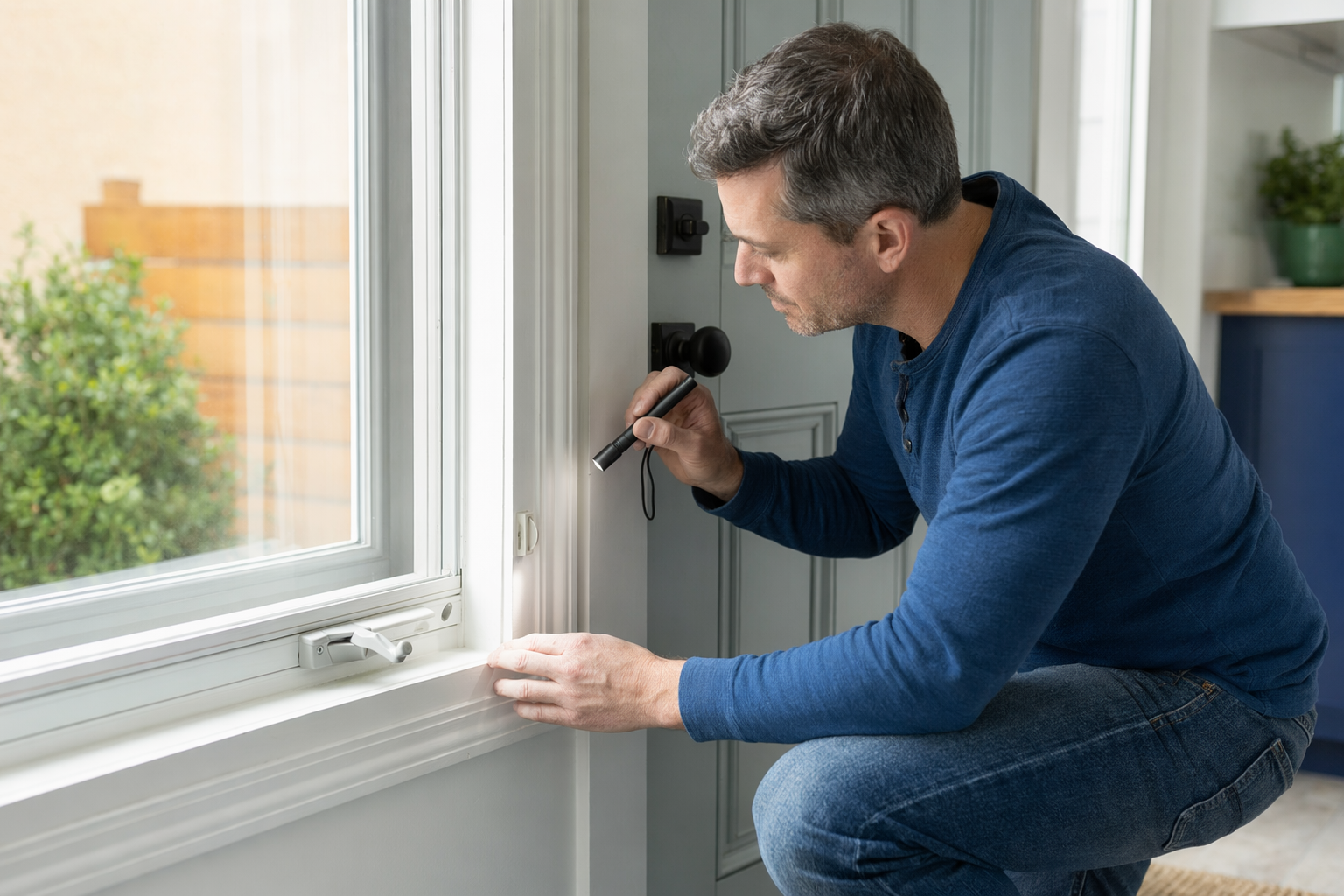
What renters can protect without overcomplicating it
Renters usually need security that is effective, simple, and easy to remove later. The best setup depends on what you want to protect, what your lease allows, and whether you want professional installation or a lighter setup.
A few common goals:
- Front door protection with a basic burglar alarm, door sensors, or a smarter lock setup if your landlord allows it
- Entry-point visibility with indoor or exterior-facing cameras placed where your lease permits
- 24/7 professional monitoring if you want alerts handled by a monitoring center instead of only going to your phone
- Small business tenant security for a leased office, storefront, or workspace that may need alarms, cameras, or access control
If you rent an apartment, condo, or house, start by asking:
- What am I most worried about? Break-in, package theft, unauthorized entry, or just wanting alerts when a door opens?
- What does my lease allow? Some landlords allow removable sensors but not drilling, wiring, or lock changes.
- Do I want to self-manage alerts, or pay monthly for monitoring?
- Will I move soon? If yes, avoid long contracts and hard-to-remove equipment.
A renter-friendly setup is often a mix of a small alarm package, a few cameras, and clear rules from the lease. If you want to compare options near you, get matched for free with local companies. You compare offers. You choose who to hire.
What to consider before you sign a contract
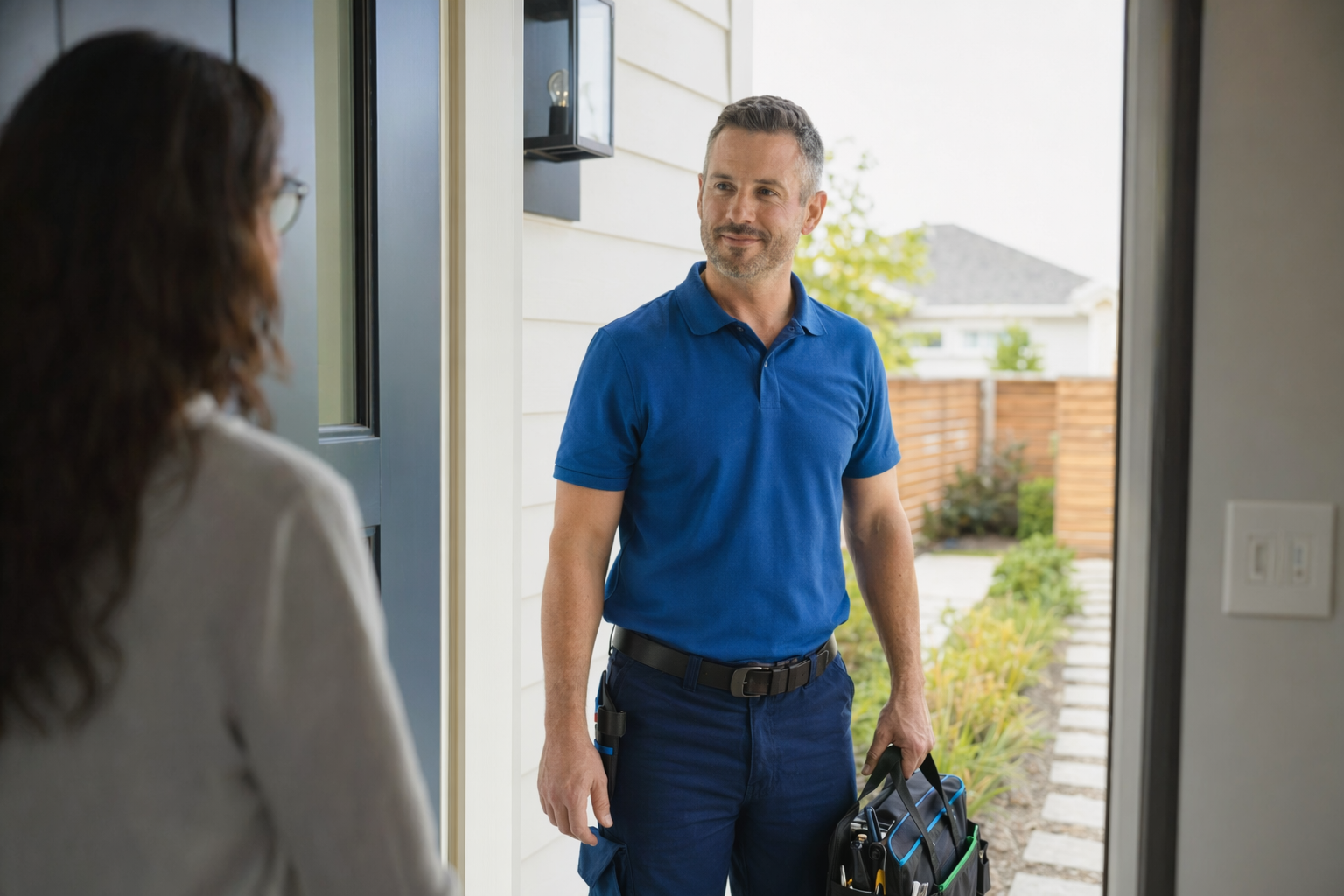
Security sales can get pushy fast, especially with door-to-door reps and phone offers. Renters are often told a deal is "today only" or that a long contract is the only way to get equipment. Slow down.
Here is the practical checklist:
- Get landlord approval first if equipment will be drilled in, wired in, or tied to existing locks or doors
- Ask whether the system can move with you to a new rental
- Read the full contract before signing, including the monitoring agreement, contract length, auto-renewal, monthly fee, equipment ownership, and cancellation or early-termination terms
- Verify license and insurance yourself before hiring; some states also license or register alarm-company solicitation and installation
- Do not sign on the spot under door-to-door or phone pressure
If a company wants to contact you after you request a match, remember: consent to be contacted, including by autodialer, prerecorded or artificial voice, and SMS, is not a condition of any purchase, and you can opt out anytime.
Also remember the basic truth: no alarm, camera, monitoring plan, smart lock, or guard service can promise safety or prevent all crime, loss, injury, or property damage. Security can help you detect, document, delay, and respond, but no one can honestly guarantee outcomes.
If you want help checking contracts and pressure tactics, read alarm contract checklist and how to avoid door-to-door alarm sales pressure.
Honest cost ranges for renters and tenants
Here are typical ranges and estimates, not quotes or guarantees. The real price depends on the system, the size and layout of the property, professional monitoring, installation, and your area.
- Alarm equipment: roughly $200-$600+
- Smaller DIY-style kits may start lower
- Professionally installed systems with more sensors usually cost more
- Professional monitoring: roughly $15-$60 per month
- Cost depends on features, dispatch handling, app access, and service level
- Security cameras: roughly $50-$300 each plus any cloud-storage fee
- Indoor cameras are often less expensive than more advanced outdoor models
- Professional installation: roughly $100-$400 one-time
- More if the layout is difficult or the system is larger
- Smart locks or access control: roughly $120-$500 per door
- Important for rented offices or shared-entry business spaces, but confirm permission first
- Unarmed security guards: roughly $20-$50 per hour
- Armed or event-specific guard coverage is often higher
For many renters, the big money question is not just equipment. It is the monthly commitment and the cancellation terms. A low upfront price can hide a long agreement. That matters a lot if you might move before the contract ends.
If you want a broader pricing overview, see security system costs and compare whether DIY or professional security fits your rental better.
Good renter setups by situation
You do not need the same setup as a large house or a commercial building. Match the system to the space.
Apartment renter
- Door and window sensors
- One indoor camera facing the main entry area if allowed
- Optional professional monitoring
- Focus on removable equipment and short commitments
Single-family home renter
- Basic alarm panel with sensors on main entry points
- One or two cameras where allowed by the lease
- Motion lighting may help, but ask before installing anything permanent
- Consider home security systems if you want a more complete setup
Tenant in a small office or storefront
- Alarm coverage for doors and key interior areas
- Cameras for entrances, register areas, or inventory-sensitive spaces
- Smart locks or managed access for employee entry, if permitted by the property owner
- In some cases, business security may be a better fit than a basic home-style package
The simplest path is usually best: protect the main entry points, add visibility where it matters, and avoid paying for features you will not use.
Your next step: compare carefully and stay in control
KeepWatchly does not sell, install, monitor, or service security systems. We are a free matching service. Participating security companies pay a flat fee to be listed. That means you can use the service without paying us.
Use this 3-step approach:
- Decide what you want to protect. Front door, windows, shared entry, packages, inventory, or after-hours access.
- Request local matches. Ask only for the options you actually want, such as cameras, alarms, professional monitoring, access control, or guard coverage.
- Compare before signing. Check license, insurance, registration, total monthly cost, equipment details, contract length, auto-renewal, and cancellation terms.
When you ask to be matched, consent to be contacted is not a condition of purchase, including calls, prerecorded or artificial voice messages, autodialed calls, and SMS, and you can opt out anytime.
Most important: you compare offers, you choose who to hire, and you read the contract before signing. If you are ready, get matched with local licensed and insured companies near you.
If you rent, start with your lease, protect the main entry points, and keep the setup simple. Compare a few licensed, insured local companies, check the real monthly cost and cancellation terms, and do not sign under pressure.
Always hire licensed, insured, registered security companies — and verify the license yourself.
Common questions
Can I get a security system if I rent my home or apartment?
Often yes, but what you can install depends on your lease and the property owner's rules. Many renters choose removable sensors, cameras, or lighter systems that do not require major drilling or wiring. If you want lock changes, hardwired devices, or permanent installation, get written approval first.
How much does renter security usually cost?
Typical ranges are about $200-$600+ for alarm equipment, $15-$60 per month for professional monitoring, $50-$300 per camera plus any cloud fee, and about $100-$400 for professional installation. These are estimates, not quotes. The real price depends on the system, the size and layout of the property, monitoring, installation, and the area.
Is professional monitoring worth it for renters?
It depends on your budget and how you want alerts handled. Some renters are comfortable with app alerts only. Others want 24/7 professional monitoring so signals can be handled when they are asleep, working, or away. Monitoring can add convenience, but no service can guarantee that crime, loss, injury, or property damage will be prevented.
What should I check before signing with a security company?
Verify that the company is licensed, insured, and properly registered where required, and confirm that yourself. Then read the full contract, the monitoring agreement, the contract length, auto-renewal, monthly fee, cancellation policy, and any early-termination charges. Do not sign under door-to-door or phone pressure, and do not assume a low upfront price means a low total cost.