What guard and patrol services actually do
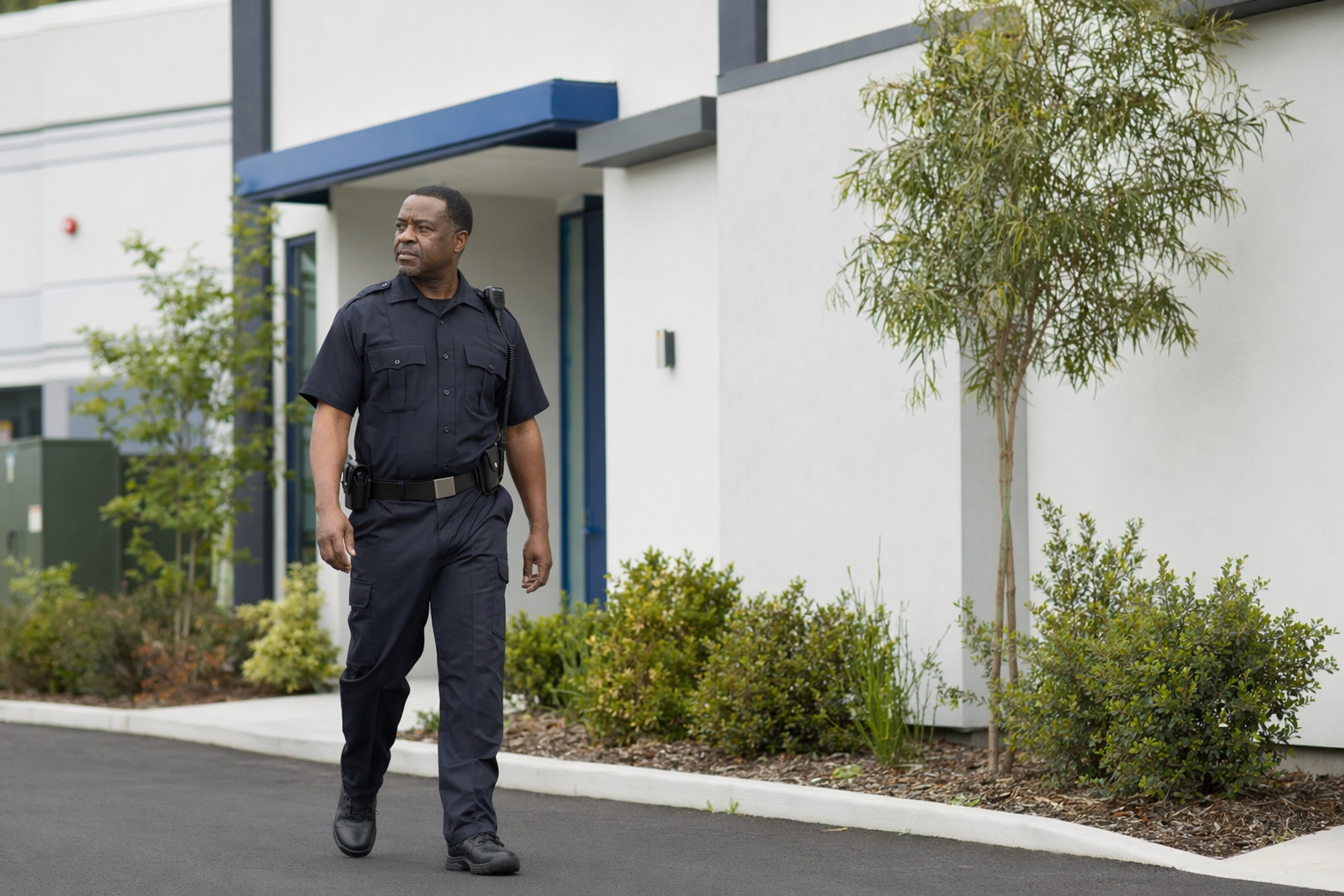
Guard service means a person is assigned to watch, check, or respond at a property. That can be a standing guard at one location, a guard who walks the property, or a mobile patrol that drives by on a schedule or after an alarm.
Common uses include:
- apartment buildings with repeated trespassing
- small businesses with late-night closing or cash handling
- construction sites with theft or vandalism risk
- vacant homes or buildings that need checks
- events or temporary situations where extra eyes help
A guard company may offer:
- standing guards at an entry, lobby, gate, or front desk
- foot patrols inside or outside the property
- vehicle patrols for neighborhoods, lots, or business parks
- lock/unlock service at opening and closing time
- alarm response when a monitored system signals a problem
- incident reports for the property owner or manager
Important: KeepWatchly is a free matching service. We do not provide guards, patrols, monitoring, installation, or security advice. We help you compare licensed, insured local companies so you can decide what fits your property.
Also important: no guard, patrol, alarm, camera, or monitoring service can guarantee safety or prevent crime, loss, injury, or property damage. Security measures can reduce risk, but they cannot promise an outcome.
When a guard may make sense — and when it may not
Guards are usually the most expensive security option, so it helps to be clear about the problem you are trying to solve.
A guard or patrol may be worth considering when:
- You need a visible presence. Some properties need a real person people can see.
- You have repeated incidents. Break-ins, vandalism, trespassing, package theft, or after-hours entry may justify a higher-cost option.
- You need help with access. A guard can check visitors, delivery drivers, vendors, or employees.
- Your risk is temporary. For example, after a break-in, during construction, during a vacancy, or for a special event.
A guard may not be the first thing to buy when:
- you mainly need door and window alerts
- you want video evidence or remote viewing
- your budget is better spent on better locks, lights, cameras, or an alarm
- the issue is limited to certain hours and a mobile patrol or monitored alarm may cover it for less
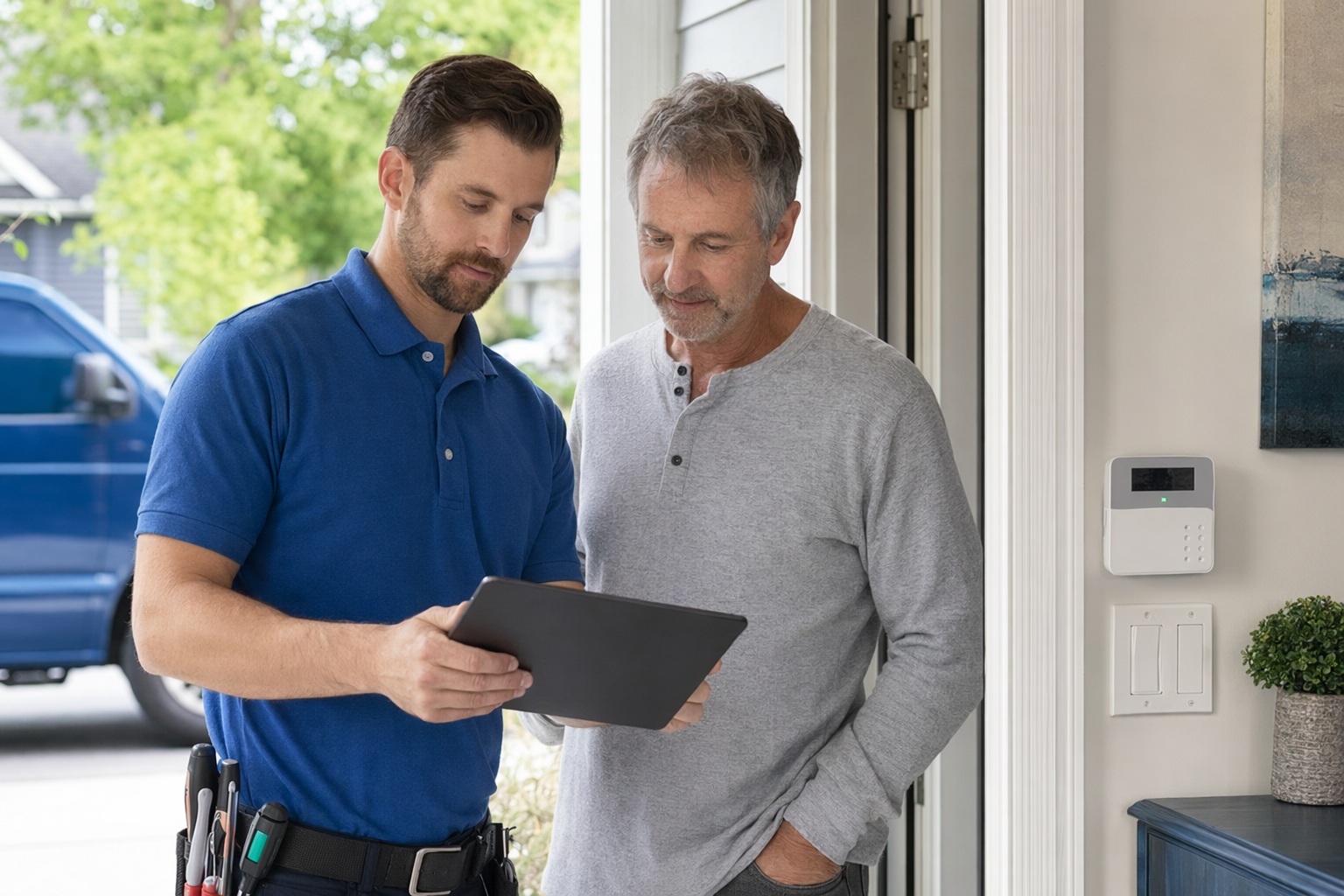
For many homeowners and small businesses, the better first step is to compare layers of protection: an alarm, security cameras, or 24/7 professional monitoring. If you are not sure what to prioritize, start with what you want to protect, your hours, and your budget. Then compare options side by side.
Typical cost ranges: what people usually pay
Guard pricing varies a lot. The real price depends on the service type, the hours needed, the property size and layout, the level of training, whether the guard is armed or unarmed, the equipment required, and your area.
Typical ranges:
- Unarmed guard service: about $20-$50 per hour
- Armed guards or event-specific service: often higher than standard unarmed rates
- Mobile patrol visits: often priced per visit or in a monthly plan, depending on frequency and area
- After-hours lock/unlock or alarm response: may be billed as a separate service or add-on
What affects the price most:
- Hours per week. A few patrol visits cost much less than a full overnight shift.
- Number of guards. Large sites, busy entrances, or multiple posts raise cost quickly.
- Site complexity. Gates, loading areas, multiple buildings, and large parking lots take more time.
- Training and licensing requirements. Higher-risk work can cost more.
- Reports and technology. Some companies include scan checkpoints, body cams, GPS logs, or detailed incident reporting.
It also helps to compare guard service against other typical security costs:
- alarm equipment: roughly $200-$600+
- professional monitoring: roughly $15-$60 per month
- security cameras: roughly $50-$300 each plus any cloud fee
- professional installation: roughly $100-$400 one time
- smart locks or access control: roughly $120-$500 per door
Those are typical ranges and estimates, not quotes or guarantees. For a fuller breakdown of common security expenses, see costs.
Guard service vs alarm, cameras, and monitoring
A lot of people ask whether they should pay for a guard or improve the system they already have. The honest answer is that they do different jobs.
Guards and patrols
- add a human presence
- can observe, document, and report in real time
- may help with visitor control or closing procedures
- usually cost more than other security options
Alarm systems
- detect entry or motion
- can trigger alerts and sirens
- are often lower cost than guard coverage
- do not put a person at the property
Cameras
- help you see what happened or what is happening
- can deter some behavior, but not always
- may require storage or cloud fees
- do not replace a physical presence
Professional monitoring
- watches for alarm signals 24/7 if you choose a monitored system
- can follow the response steps in your agreement
- does not mean a guard is automatically dispatched unless that is part of a separate service arrangement
For many small properties, a practical setup is locks + alarm + cameras, and then adding patrol or temporary guard service only when there is a clear need. If you want to compare system options first, home security systems can be a lower-cost place to start.
How to compare companies without getting trapped in a bad contract
Before you sign, slow down and read everything. Security contracts can be expensive to exit.
Check these terms carefully:
- Scope of service. Is it a standing guard, foot patrol, vehicle patrol, lock/unlock, or alarm response? What exactly is included?
- Schedule. What days and hours are covered? Is the timing fixed, random, or on-call?
- Rates and extra charges. Ask about overtime, holidays, minimum hours, emergency call-outs, mileage, after-hours fees, and report fees.
- Contract length. Month-to-month and short-term agreements can offer more flexibility than long terms.
- Auto-renewal. Check if the agreement renews automatically and when you must cancel.
- Cancellation terms. Look for notice periods, early-termination fees, and any minimum commitment.
- Insurance and liability. Ask for proof of insurance and read how incidents, claims, and damaged property are handled.
- Subcontracting. Ask whether the company uses its own employees or subs.
- Replacement staffing. What happens if a guard is late, absent, or the post is uncovered?
- Reporting. Will you get daily logs, incident reports, checkpoint scans, or supervisor inspections?
If someone is selling door to door or pushing you to sign on the spot, walk away. Read avoid-door-to-door-alarm-sales for pressure tactics to watch for. And before signing any security agreement, use this alarm contract checklist mindset: read the full contract, the service terms, the renewal language, the monthly or hourly fee, and the cancellation and early-termination terms before you agree to anything.
If you request to be matched with companies, your consent to be contacted, including by autodialer, prerecorded or artificial voice, and SMS, is not a condition of any purchase, and you can opt out anytime.
What to ask before you hire a guard or patrol company
Use simple questions. Clear answers matter more than polished sales talk.
Ask:
- Are you licensed, insured, and properly registered for this state and local area?
- What license number should I verify myself? Some states license or register alarm-company solicitation and installation, and guard companies may also have separate requirements.
- What kind of properties like mine do you serve? Home, retail, office, apartment, warehouse, construction site, vacant property?
- Is the service unarmed or armed? If armed, what training and supervision apply?
- Who supervises the guard? How often?
- Do you provide incident reports and patrol logs?
- What is the response if a guard cannot make the shift?
- What exactly should the guard do if there is suspicious activity? Observe, report, call police, contact me, check doors, stay at a distance?
- What is not included?
- What are the full rates and all possible extra fees?
You should also ask yourself:
- Do I need a person here, or would better lighting, cameras, locks, or monitored alarms solve most of the problem?
- Do I need this every night, only on weekends, or just for a short period?
- Is this for deterrence, access control, alarm response, or documentation?
For help checking credentials and red flags, read how to vet a security company. Always verify the license or registration yourself. Do not rely only on a sales rep, website badge, or business card.
How KeepWatchly can help
KeepWatchly helps you get organized before you talk to companies.
Here is how it works:
- Tell us what you want to protect. A home, store, office, apartment building, vacant property, or job site.
- Share basic contact details. We only need enough information to help with matching. We do not ask for bank account numbers, Social Security numbers, immigration status, or sensitive records.
- Get matched at no cost with licensed, insured local security companies that serve your area.
- Compare options yourself. You review the service type, hours, contract terms, and price ranges.
- Choose who to hire, or hire no one. It is your decision.
Matching is free to homeowners and businesses. Participating security companies pay a flat fee to be included.
If you are ready to compare local options, start here: get matched.
Final reminder: You compare estimates. You choose who to hire. You read the contract and confirm the cancellation terms before signing.
A simple decision guide
If you want a quick rule of thumb, use this:
- Need alerts and a lower monthly cost? Start with an alarm and monitoring.
- Need video and remote viewing? Add cameras.
- Need to control doors or employee entry? Look at smart locks or access control.
- Need a human presence at specific hours or after repeated incidents? Compare patrol or guard service.
- Need business-focused protection? Think about after-hours access, closing procedures, visitor control, and employee turnover, not just break-ins. A broader business security plan may fit better than paying for a guard full time.
The best choice is usually the one that matches your real problem, your property, and your budget. Not the one a salesperson pushes that day.
If you think you need a guard, first decide why: visible presence, patrol checks, alarm response, or access control. Then compare licensed, insured local companies, ask for the full terms in writing, verify the license yourself, and read the cancellation and renewal rules before you sign. Consent to be contacted is not required to buy anything, and you can opt out anytime.
Always hire licensed, insured, registered security companies — and verify the license yourself.
Common questions
How much does a security guard usually cost?
Typical unarmed guard service often runs about $20-$50 per hour, but real pricing depends on the service type, the hours, the property size and layout, training level, installation or equipment needs, and your area. Armed or event-specific service is often higher. These are estimates, not quotes or guarantees.
Is a guard better than an alarm system or cameras?
Not automatically. A guard adds a human presence, but costs more. Alarms and cameras are often much less expensive and may solve the main problem if you need alerts, video, or after-hours awareness. Many people use a layered approach instead of paying for a guard full time.
Can KeepWatchly send a guard or patrol car to my property?
No. KeepWatchly is not a guard company, alarm dealer, monitoring center, or installer. We are a free matching service that helps you compare licensed, insured local security companies. You choose whether to contact or hire anyone.
What should I verify before signing with a guard company?
Verify that the company is licensed, insured, and properly registered for your state and local area, and verify the license yourself. Read the full contract carefully, including the exact scope of service, schedule, total cost, contract length, auto-renewal language, cancellation terms, and any early-termination fees. Do not sign under door-to-door or phone pressure.