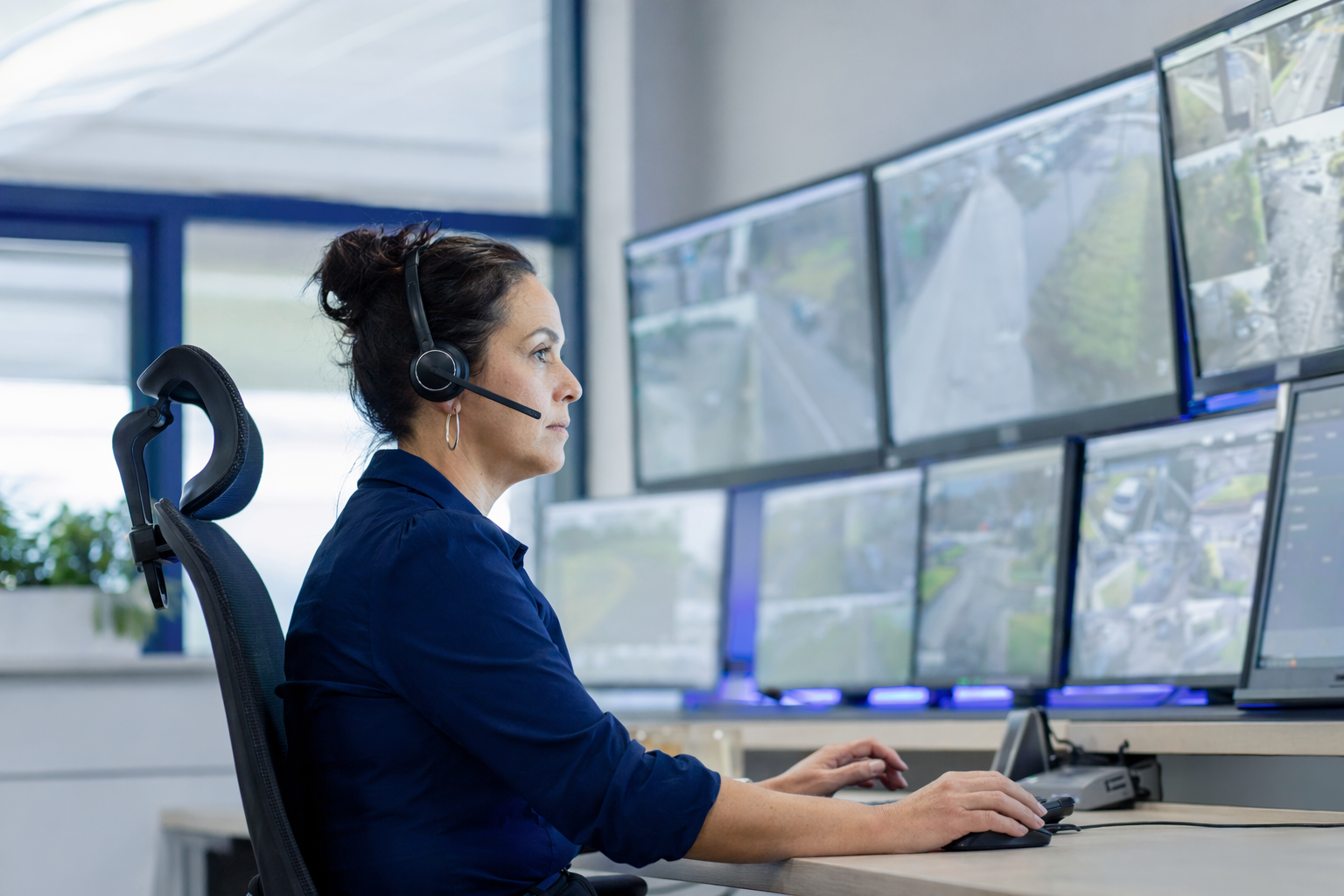
What alarm monitoring is, in simple terms
Alarm monitoring usually means your alarm system is connected to a professional monitoring center. If the system detects something like a door opening, glass breaking, motion inside, panic button use, smoke, or another programmed event, a signal can be sent to the monitoring center.
Then a trained operator may try to verify what happened and follow the response plan on your account. That can include calling you, calling a second contact, and in some cases requesting police, fire, or medical dispatch based on the alarm type, local rules, and what the operator can confirm.
That is different from a local-only alarm. A local alarm may make noise or send alerts to your phone, but without professional monitoring, there may be no monitoring center involved.
A few important truths:
- Monitoring is not the same as installation. You may pay separately for equipment, installation, and monitoring.
- Monitoring is not a guarantee of safety. No system or service can promise to prevent crime, loss, injury, or property damage.
- Response depends on many things. Signal quality, power, internet or cellular connection, user setup, local dispatch rules, and whether the event can be verified all matter.
If you are still deciding whether you want alerts only or 24/7 monitoring, compare home security systems with professional monitoring.
What happens after an alarm signal

Most monitored systems follow a process like this:
- A sensor or device is triggered. Examples: a door contact opens, motion is detected, smoke is sensed, or a panic button is pressed.
- The control panel sends a signal. This may go out by cellular, internet, landline, or a backup path depending on the setup.
- The monitoring center receives the event. The operator sees the signal type and the instructions on your account.
- The operator follows the account plan. They may call, text, use an app prompt, or contact emergency dispatch if the event and local rules support that.
- Contacts and authorities are notified if needed. The order depends on your instructions, the alarm type, and local policy.
Some systems use enhanced call verification, meaning the operator tries more than one phone number before requesting dispatch for a burglary signal. Some areas also require a permit for monitored alarms or can fine repeat false alarms.
For small businesses, response plans can be more detailed. For example:
- Call the owner first for an after-hours motion alarm
- Call a manager if the rear door opens at an unusual time
- Use separate schedules for weekdays, weekends, and holidays
- Trigger different actions for intrusion, fire, hold-up, or access-control events
This is one reason setup matters. A system is only as useful as the way it is programmed and maintained.
What monitoring usually costs
Typical monitoring costs are about $15 to $60 per month. The real price depends on the system, the size and layout of the property, professional monitoring features, installation, and your area.
You may also pay for:
- Alarm equipment: roughly $200 to $600+ for many setups. DIY kits can be lower. Larger or professionally installed systems are often higher.
- Professional installation: roughly $100 to $400 one time.
- Security cameras: roughly $50 to $300 each, plus any cloud storage fee.
- Smart locks or access control: roughly $120 to $500 per door.
Monitoring price often changes based on what is included:
- Basic intrusion monitoring only
- Cellular backup instead of internet only
- Fire or life-safety signal handling
- Mobile app controls and notifications
- Video verification or camera integration
- Longer or shorter contract terms
Be careful with ads that focus only on a low monthly number. The monthly fee is only part of the cost. Ask for the full expected cost, including equipment, installation, permit fees if required locally, activation, taxes, cloud fees, service calls, and what happens after the initial term. For a broader breakdown, see security system costs.
What to check before you sign
This is where many people make expensive mistakes. Before you agree to anything, slow down and check these points.
- License and insurance: Hire only licensed, insured, properly registered security companies where required. Verify the license or registration yourself. Some states also license or register alarm sales solicitation and installation.
- Contract length: Ask if the agreement is month-to-month or a multi-year term.
- Auto-renewal: Ask whether the contract renews automatically and how to stop renewal.
- Monthly fee: Confirm the regular monthly monitoring price and whether it can increase later.
- Equipment ownership: Ask whether you own the equipment, lease it, or must return it.
- Cancellation terms: Read the cancellation and early-termination section carefully before signing.
- Service and repairs: Ask what is covered, what costs extra, and how quickly service calls are handled.
- False alarm policy: Ask about local permits, user training, and who pays any false alarm fines.
- Communication path: Confirm whether the system uses cellular, internet, landline, or backup communication.
If someone contacts you after you ask to be matched, remember this: consent to be contacted, including by autodialer, prerecorded or artificial voice, and SMS, is not a condition of any purchase, and you can opt out anytime. Do not let anyone rush you.
Also, do not sign on the spot because of door-to-door or phone pressure. Read the full contract, the monitoring agreement, the contract length, the auto-renewal language, the monthly fee, and the cancellation or early-termination terms before signing. These guides can help: alarm contract checklist and avoid door-to-door alarm sales.
Common mistakes people make with monitoring
People often think monitoring will solve every security problem by itself. It will not. Here are common mistakes to avoid:
- Buying monitoring before deciding what you actually need. A small apartment, a single-family home, and a retail shop may need different setups.
- Assuming every alert gets instant police response. Dispatch rules vary by area and by alarm type. Verification may be required.
- Ignoring user training. Many false alarms come from simple mistakes like wrong codes, wrong schedules, or staff not knowing how to arm and disarm.
- Forgetting about camera and lock costs. Monitoring is often only one line item.
- Not updating emergency contacts. If your phone number or manager list changes, the response plan can fail.
- Choosing on pressure instead of comparing. You should compare options, ask questions, and choose who to hire.
For businesses, another mistake is failing to separate intrusion monitoring from access control. Smart locks and access systems help manage who enters and when, but that is different from 24/7 alarm monitoring. If you run a shop, office, or small warehouse, review business security options based on your hours, staff, and customer traffic.
What to do next if you are shopping
If you are planning security for a home or small business, keep it simple.
- List what you want to protect. Front and back doors, first-floor windows, inside motion areas, cash area, stock room, cameras, smart locks, or after-hours access.
- Decide whether you want alerts only or professional monitoring. Some people want app alerts. Others want a monitoring center involved 24/7.
- Set a realistic budget. Think in terms of equipment, installation, and monthly monitoring together.
- Compare local companies carefully. Ask about licensing, insurance, contract terms, and cancellation.
- Read everything before signing. Especially the monitoring agreement and the early-termination terms.
KeepWatchly is a free matching service. We help you understand options and get matched with local licensed and insured security companies near you. Participating security companies pay a flat fee to take part. You compare quotes, you choose who to hire, and you confirm the contract terms yourself. If you want to start, use Get Matched.
Alarm monitoring means a monitoring center may receive alarm signals and follow your response plan, but it is not a promise of safety. Compare the full cost, verify licenses and insurance, read the contract carefully, and do not let anyone pressure you to sign fast.
Always hire licensed, insured, registered security companies — and verify the license yourself.
Common questions
Does alarm monitoring mean police automatically come when my alarm goes off?
No. A monitoring center may first try to verify the alarm by calling you or following your account instructions. Police response depends on the alarm type, local rules, whether the event can be confirmed, and other factors. No monitoring service can guarantee emergency response or safety.
Can I have a security system without monthly monitoring?
Yes, in many cases. Some systems work as local alarms or send alerts to your phone without professional monitoring. That can lower monthly cost, but it also means there may be no monitoring center responding to alarm signals. The best choice depends on the system, the property, and your area.
What is a normal monthly price for alarm monitoring?
A typical range is about $15 to $60 per month, but that is only an estimate. The real price depends on the system, the size and layout of the property, monitoring features, installation, and the area. Equipment, cameras, cloud storage, and smart locks may cost extra.
What should I ask a security company before I sign a monitoring agreement?
Ask whether the company is licensed, insured, and properly registered, and verify that yourself. Then ask about the contract length, auto-renewal, monthly fee, equipment ownership, service calls, false alarm policy, cancellation, and early-termination terms. Read the full contract and monitoring agreement before signing, and do not sign under door-to-door or phone pressure.