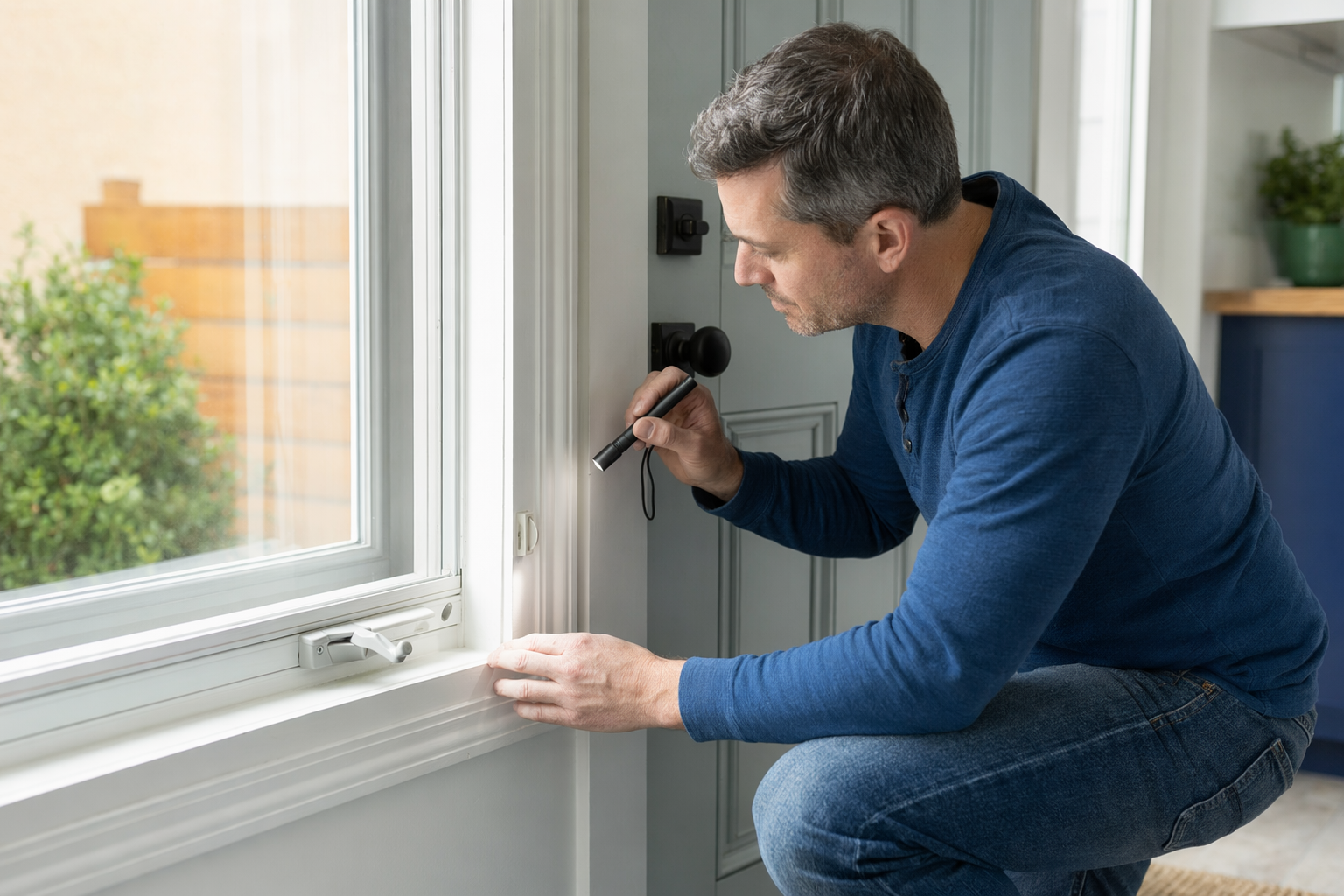
The honest answer: security helps, but it is not magic
People often ask this like there should be a yes-or-no answer. Real life is not that simple.
A security system can make a home or business a harder target. It can also help you know something is wrong sooner. That matters. But it does not create a force field around your property.
What security can realistically do:
- Deter some burglars who want an easy target
- Create noise and attention with a siren or alert
- Notify you or a monitoring center when a sensor trips, if you have professional monitoring
- Record video that may help you review an incident
- Add delay with better locks, access control, and stronger entry points
What it cannot honestly promise:
- That a burglar will always leave when they see a camera or alarm sign
- That police or guards will arrive in time to stop every crime
- That video will always identify a suspect clearly
- That any system will prevent all break-ins, theft, injury, or damage
That is why KeepWatchly focuses on helping you compare options, costs, and contracts. If you are still deciding what type of protection fits your place, start with home security systems or review typical costs.
Why some systems do deter burglars

Most burglars want speed, low risk, and easy entry. A visible security setup can change that calculation.
A system may be more effective when it includes several layers:
- Visible signs of protection. Door contacts, cameras, yard signs, window decals, and motion lights tell someone they may be seen or heard.
- Fast alerts. If a door opens, glass breaks, or motion triggers, you get a faster warning. With professional monitoring, a monitoring center may contact you and, when appropriate under their procedures, request emergency dispatch.
- Harder entry. A decent deadbolt, reinforced strike plate, secure sliding door, and better window locks can buy time.
- Better evidence. Cameras may help show timing, direction of travel, vehicle details, or whether a person was known to you.
Notice the pattern: the goal is usually to reduce opportunity and improve response, not to guarantee prevention.
For small businesses, this matters even more. Theft can come from after-hours entry, side doors, stock rooms, or uncontrolled keys and codes. In that case, alarms and cameras may work better when paired with access control so you know who can enter and when.
Where security systems fall short
It is just as important to understand the weak spots.
- Not every burglar is scared off. Some move fast. Some know many alarms have a delay before sounding. Some cover their face.
- Cameras are not the same as prevention. A camera may record a crime without stopping it. Bad placement, weak lighting, or low resolution can limit useful footage.
- Monitoring is not instant rescue. Professional monitoring can be valuable, but response times depend on signal delivery, verification steps, local procedures, your availability, and emergency resources in your area.
- Cheap equipment can underperform. Weak Wi-Fi, dead batteries, poor app setup, and bad installation all reduce reliability.
- Human habits matter. A great system does little if doors are left unlocked, codes are shared, or the alarm is not armed.
This is also where high-pressure sales can cause trouble. Some sales reps oversell what a system can do. Some push long contracts before you have time to compare. Some make urgent claims at the door or on the phone.
Slow down. Do not sign on the spot. Read the full contract, the monitoring agreement, the contract length, auto-renewal terms, monthly fee, equipment ownership details, and any cancellation or early-termination fees before signing. KeepWatchly has a practical alarm contract checklist and a guide to avoid door-to-door alarm sales if you want a calmer way to shop.
If a company wants to contact you after you ask to be matched, remember this: your consent to be contacted, including by autodialer, prerecorded or artificial voice, and SMS, is not a condition of any purchase, and you can opt out anytime.
What usually works better than one device alone
The best results usually come from layers, not from betting everything on one product.
For a typical home, a practical setup might include:
- A basic alarm panel with door and window sensors
- One or more outdoor cameras at main entry points
- Motion lighting
- A deadbolt and reinforced strike plate on primary doors
- Optional professional monitoring if you want someone else to receive alerts too
Typical cost ranges are often:
- Alarm equipment: about $200-$600+
- Professional monitoring: about $15-$60 per month
- Security cameras: about $50-$300 each plus any cloud fee
- Professional installation: about $100-$400 one time
- Smart locks or access control: about $120-$500 per door
- Unarmed guards: about $20-$50 per hour for many situations, with armed or event coverage often higher
These are typical ranges, not quotes or guarantees. The real price depends on the system, the size and layout of the property, professional monitoring, installation, and your area.
For a small business, stronger protection often means thinking beyond a front-door alarm. You may need separate user codes, after-hours alerts, camera coverage at cash handling areas, delivery door controls, and logs for openings and closings. If that sounds closer to your situation, read about business security.
One more important point: always hire licensed, insured, and properly registered security companies, and verify the license or registration yourself. In some states, alarm-company solicitation and installation are separately licensed or registered.
What to do next if you want real protection without overpaying
You do not need the most expensive package. You need the right setup for your risk, your building, and your budget.
Use this simple process:
- List what you want to protect. Front door? Back entrance? Garage? Storefront? Cash area? Inventory room?
- Decide what problem you are solving first. Break-ins, package theft, after-hours entry, employee access, or just faster alerts.
- Choose your layers. Alarm, cameras, monitoring, better locks, access control, or in some cases guard coverage.
- Compare more than one company. Ask what equipment is included, whether you own it, and what happens if you move or cancel.
- Verify license and insurance. Do not rely only on what a rep says.
- Read before signing. Especially the monthly fee, contract length, auto-renewal, cancellation rules, and early-termination costs.
KeepWatchly is a free matching service. We do not sell, install, monitor, or service security systems. We help you understand your options and get matched, at no cost to you, with licensed and insured security companies near you. Participating security companies pay a flat fee to take part.
If you want to compare your options calmly, you can get matched and choose who, if anyone, you want to hire.
Security systems can help lower risk, create alerts, and make your property a harder target, but they cannot guarantee safety. Compare licensed, insured companies carefully, check real cost ranges and contract terms, and choose the setup that fits your home or business before you sign anything.
Always hire licensed, insured, registered security companies — and verify the license yourself.
Common questions
Will an alarm system make burglars skip my house?
Sometimes, but not always. A visible alarm may deter some burglars, especially if they want an easy target. But no system can guarantee that someone will leave or that a break-in will not happen. Alarms are best viewed as one layer of protection, not a promise of safety.
Are cameras enough by themselves?
Usually not. Cameras can help you see what happened and may deter some people, but they do not physically stop entry. Cameras work better when paired with good locks, lighting, and, if you want it, an alarm or professional monitoring. Placement and lighting matter a lot.
Is professional monitoring worth the monthly fee?
It depends on your situation. Professional monitoring can add value if you want a monitoring center to receive alerts when you cannot respond yourself. Typical monitoring ranges are about $15-$60 per month, but that is only an estimate. The real price depends on the system, the property, installation, monitoring level, and your area. Read the monitoring agreement carefully before signing.
How do I avoid getting stuck in a bad security contract?
Do not sign under pressure at the door or on a phone call. Read the full contract, monitoring agreement, contract length, auto-renewal terms, monthly fee, cancellation policy, and any early-termination charges before signing. Verify the company is licensed, insured, and properly registered. If you agree to be contacted, remember that consent to calls or texts, including autodialed or prerecorded calls and SMS, is not a condition of any purchase, and you can opt out anytime.