The short answer
Self-monitoring means your system sends alerts to you, usually through an app, text, call, or email. You decide what to do next.
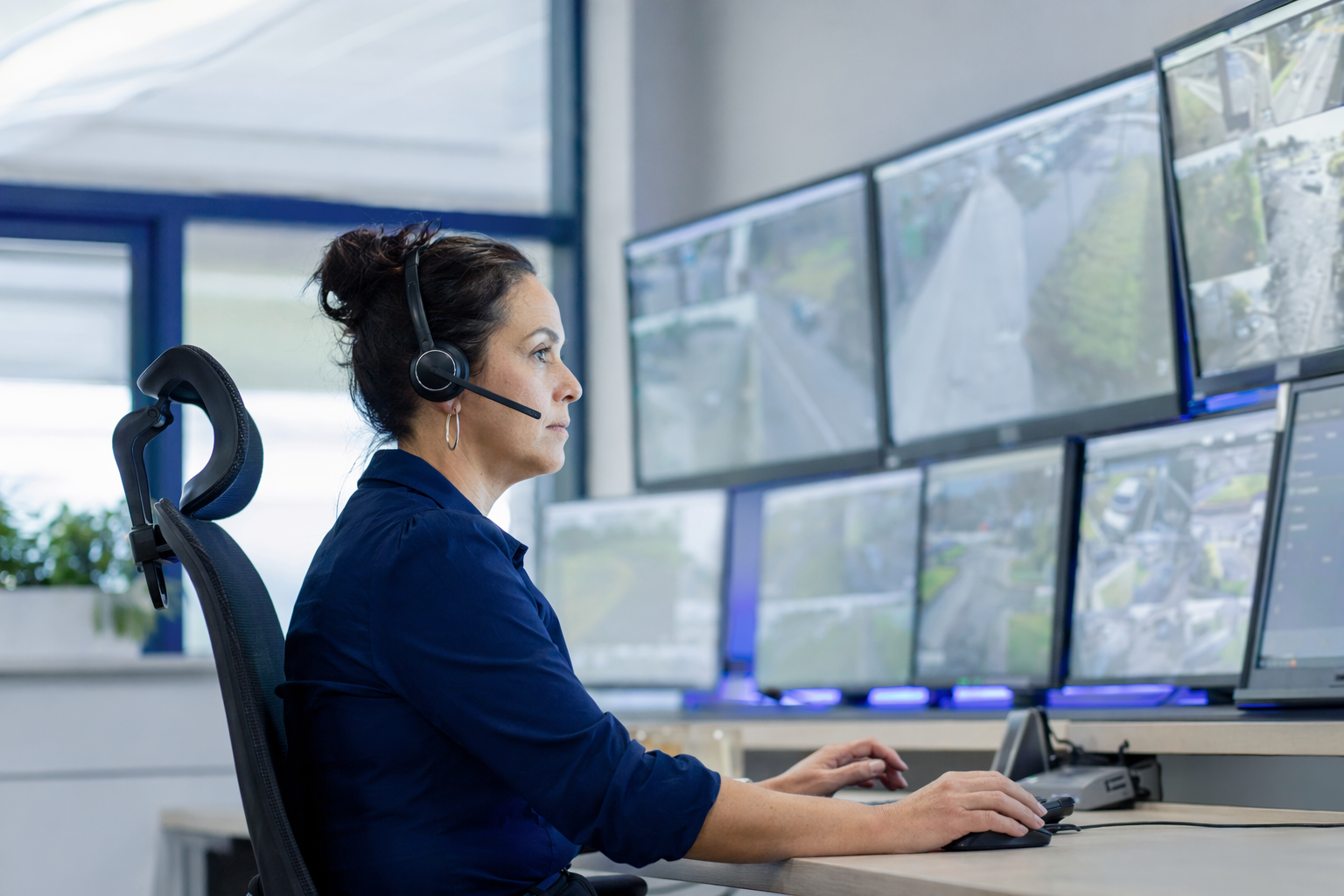
Professional monitoring means a monitoring center receives alarm signals and follows the company’s response process, which may include calling you, calling your emergency contacts, and in some cases requesting police, fire, or medical dispatch when appropriate.
For many people, the practical difference is simple:
- If you want the lower monthly cost and do not mind checking alerts yourself, self-monitoring may fit.
- If you want another layer of response when you are asleep, busy, traveling, or managing a business, professional monitoring may be worth the monthly fee.
Neither option can promise safety or prevent crime, loss, injury, or property damage. Security measures can reduce risk and improve awareness, but no system can guarantee an outcome.
If you are still deciding what setup makes sense, start with home security systems and compare the role of professional monitoring.
How self-monitoring works in real life

Self-monitoring sounds simple because it is simple: a door opens, a motion sensor trips, or a camera sees movement, and you get the alert.
That can work well if:
- You usually have your phone on you
- You are comfortable using apps
- You want to avoid a monthly monitoring bill
- You only need basic awareness, like package alerts, door activity, or camera motion notices
Typical costs are often lower up front and month to month, but the real price still depends on the system, the size and layout of the property, installation, any camera cloud storage, and the area. Honest typical ranges many people see are:
- Alarm equipment: about $200-$600+
- Security cameras: about $50-$300 each plus any cloud fee
- Professional installation if you do not DIY: about $100-$400 one-time
- Monitoring: sometimes $0 for app alerts only, or a lower-tier plan
The catch is responsibility. With self-monitoring, you are the one who has to:
1. Notice the alert in time
2. Figure out whether it is real, false, or unclear
3. Call a neighbor, employee, or emergency services if needed
4. Manage alerts at night, during work, during travel, or when your phone battery dies
For a small business, that can be harder than it sounds. If you are serving customers, driving, in a meeting, or sleeping, you may not respond quickly. For homeowners, travel and overnight alerts are the common weak spots.
Self-monitoring is often strongest when paired with good cameras, strong app notifications, and realistic expectations. It is not "set it and forget it." It is more like "set it and stay involved."
If cameras are a big part of your plan, see security cameras.
What professional monitoring changes
With professional monitoring, the monitored signals go to a monitoring center run through the security company you hire. You pay a monthly fee for that service, often about $15-$60 per month as a typical range. Real pricing depends on the equipment, whether cameras are included, installation, contract length, and your area.
What you are paying for is not magic. You are paying for someone else to receive and handle alarm signals under the company’s procedures.
That can help when:
- You are asleep
- You are at work and cannot answer your phone
- You travel often
- You manage a store, office, warehouse, or restaurant with staff turnover
- You want a more structured response process than app alerts alone
Professional monitoring may be a better fit if your property has:
- Multiple entry points
- Valuable tools, inventory, or equipment
- High consequences if an alarm is missed
- Times when nobody is reliably available to watch alerts
Important reality check: even with professional monitoring, you still need to read the details. Ask how alarm verification works, who gets called first, what happens if you do not answer, and whether local rules affect dispatch. Some areas have permit rules or false-alarm rules.
Before signing anything, read the full contract, the monitoring agreement, the contract length, auto-renewal terms, the monthly fee, and the cancellation or early-termination terms. Do not sign on the spot because of door-to-door or phone pressure. This matters a lot in security sales.
If you want help checking the paperwork, use the alarm contract checklist.
What most people forget to compare
Price matters, but it is usually not the only decision.
Here are the questions that separate a good fit from an expensive mistake:
- Who will actually respond to an alert? If it is self-monitoring, that is you. If it is professional monitoring, ask for the response steps in plain language.
- How often are you away or unavailable? Night shifts, school pickup, flights, and long workdays change the answer.
- How many false alerts can you realistically handle? Pets, cleaners, kids, employees, and bad sensor placement all matter.
- Do you want a contract? Some monitored plans are month-to-month. Others lock you in. Always verify before signing.
- Will you need cameras, smart locks, or access control too? A basic alarm is one thing. A larger system can change both cost and complexity.
- Who will install it, and are they licensed and insured? In some states, alarm-company solicitation and installation are licensed or registered. Verify the license or registration yourself.
For homes, a common middle ground is: basic intrusion sensors, a video doorbell or a few cameras, and professional monitoring if the budget allows.
For small businesses, a common middle ground is: intrusion alarm, a few cameras at entries and cash-handling areas, and monitored opening and closing schedules. Businesses with employee turnover may also need access control.
If you are deciding between do-it-yourself gear and a company-installed setup, compare the tradeoffs in DIY vs professional security.
What to do next without getting pressured
Use this simple process:
- Decide what you want to protect. Home? Apartment? Store? Office? Front door only? Full perimeter? Cameras? Smart locks?
- Set a realistic budget. Typical ranges people often see are alarm equipment around $200-$600+, professional installation around $100-$400, monitoring around $15-$60 per month, cameras around $50-$300 each, and smart locks or access control around $120-$500 per door. These are estimates, not quotes.
- Choose your response style. If you want to handle alerts yourself, start with self-monitoring. If you want a third party involved, compare monitored plans carefully.
- Get matched with local companies and compare. KeepWatchly is a free matching service. We help you compare licensed, insured security companies near you. Participating companies pay a flat fee to take part. You compare options. You choose who to hire. Start here: get matched.
- Verify credentials yourself. Confirm the company is licensed, insured, and properly registered where required.
- Read every contract term before signing. Check the monitoring agreement, contract length, auto-renewal, monthly fee, equipment ownership, service terms, and cancellation or early-termination rules.
- Slow down if someone pressures you. Door-to-door alarm sales and urgent phone pitches are where people miss bad terms. Learn the warning signs in avoid door-to-door alarm sales.
If you ask to be contacted, remember this: consent to be contacted, including by autodialer, prerecorded or artificial voice, and SMS, is not a condition of any purchase, and you can opt out anytime.
The best decision is usually the boring one: clear needs, realistic budget, verified license, and a contract you actually understand.
If you want lower monthly cost and do not mind handling alerts yourself, self-monitoring may work. If you want a monitoring center involved when you are busy, asleep, or away, professional monitoring may be worth the extra monthly fee. Compare typical costs, verify licenses, and read the contract carefully before you sign.
Always hire licensed, insured, registered security companies — and verify the license yourself.
Common questions
Is self-monitoring enough for a home?
Sometimes, yes. It can be enough if you mainly want app alerts, camera visibility, and lower monthly cost, and if you are usually available to respond. It may be less reliable for people who travel often, sleep through alerts, work long shifts, or do not want to manage alarm events themselves.
Does professional monitoring automatically mean police will come?
No. Response depends on the company’s procedures, your local rules, the type of alarm, and whether the event can be verified. Ask exactly how the monitoring process works before you sign. No monitoring service can guarantee a police, fire, or medical response time or outcome.
What does professional monitoring usually cost?
A common typical range is about $15-$60 per month, but the real price depends on the system, the property size and layout, whether cameras are included, installation, contract terms, and the area. Equipment and installation are usually separate costs, not always included in the monthly fee.
How do I avoid getting stuck in a bad alarm contract?
Do not sign on the spot under door-to-door or phone pressure. Read the full contract and monitoring agreement. Check the contract length, auto-renewal, total monthly fee, cancellation policy, early-termination charges, equipment ownership, warranty, and service terms. Hire licensed, insured, properly registered companies and verify the license or registration yourself before signing.